Podcast Summary
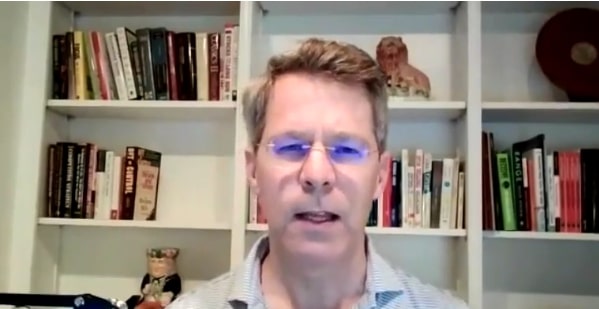
Most business owners hear “AI” and immediately think: we need that. Myles Harrison thinks the opposite — and he built a company around it.
Myles is the founder of Praktikai, a boutique data and AI consulting firm whose name literally means practicality. A veteran of Big Five firms like Accenture and PwC, he now helps business owners cut through the noise and ask the real question: is technology actually your problem?
In this episode, Myles shares why a bajillion-dollar tech investment can still fail if your people and processes aren’t aligned, what it actually looks like to be a “sober, pragmatic” voice in an industry obsessed with hype, and how the best consultants don’t make themselves the hero — they make their clients look good.
We also dig into:
- The three-part operating model that most AI projects get wrong
- Why Myles is still waiting on the paperless office before worrying about the Terminator
- The farming metaphor that reframes how we think about automation and knowledge work
- What burnout on the Big Five consulting track actually taught him about limits
- The airport moment that surprised him most about working with clients in person
If you’ve ever wondered whether AI is actually the solution — or just the most expensive way to avoid fixing the real problem — this episode is for you.
Episode Highlights
The three-part problem most businesses ignore: people, process, and technology. You can spend a fortune on AI and still fail if the first two aren’t addressed.
The job of a great management consultant isn’t to be the hero — it’s to make the client look amazing. Myles has built his entire firm around that principle.
Myles’ take on AI hype: “For everyone worried about the Terminators, I’m still waiting on a paperless office.” Signal vs. noise from someone who actually builds this stuff.
The farming metaphor for AI and work: combines didn’t eliminate farmers, they just changed what one farmer can do. The same logic applies to knowledge work.
Burnout isn’t a badge of honor. Myles shares how he learned to recognize his own limits — and why even consultants who love demanding work have to respect the line.
Why in-person still matters. A quiet airport moment after a client visit revealed something Myles didn’t expect — and it stuck with him.
Timestamps
00:30 Welcome and introductions
01:15 What is Praktikai — and why “practicality” is the whole point
02:45 From Big Five consulting to accidental entrepreneur
04:30 How to know if you need a consultant: “what part of your job sucks the most?”
06:15 The operating model problem: people, process, and technology
08:10 Why complexity is not the same as excellence
09:45 What makes consulting gratifying — and why the goal is to make clients look good
11:30 Myles’ bearish take on AI: signal vs. noise and the paperless office problem
14:00 The farming metaphor: automation, knowledge work, and what actually disappears
16:20 The next five years: under-promise, over-deliver, and do good work
18:00 Finding your limits: burnout, sleep, and what fast-paced consulting actually costs
20:30 The airport moment — what surprised Myles most about working with clients in person
22:30 Where to find Myles and PRAKTIKAI
Connect with Myles
Website: mylesharrison.com
Website: prktk.ai
Connect with Paul Dio
🌐 Website: https://innovativewealth.com
🎙️ Podcast Hub: https://businesslegacypodcast.com
Enjoyed this episode?
Leave us a review here → Apple Podcasts
Thank you for listening to this episode of the Legacy Podcast. Great reviews help us reach more legacy-minded entrepreneurs just like you.
Episode Resources
Learn more about PRAKTIKAI and how Myles helps businesses cut through AI hype and focus on what actually moves the needle: prktk.ai
Legacy Podcast: For more information about the Legacy Podcast and its co-hosts, visit https://businesslegacypodcast.com
Leave a Review: If you enjoyed the episode, leave a review and rating on your preferred podcast platform.
For more information: Visit https://businesslegacypodcast.com to access the show notes and additional resources on the episode.